



Recycled vs Recyclable: What are the key differences
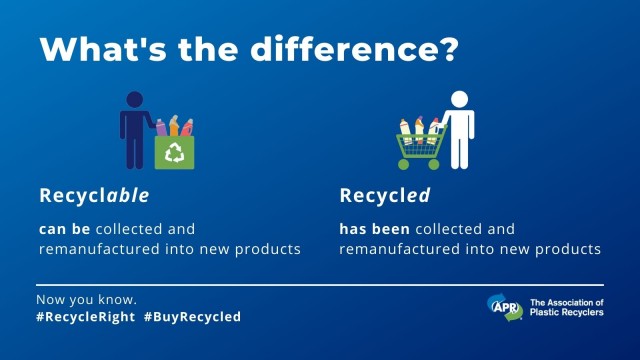
We explore the key differences between the terms “recycled” and “recyclable”. The first refers to a material that has already been transformed and used, like a plastic bottle turned into clothing. The second indicates a material’s potential to be sorted and recycled. Understanding this within junk disposal services is essential for reducing our carbon footprint and promoting a greener planet.
Recycled vs. Recyclable: What are the differences and concrete examples
Definitions: Recycled and Recyclable
Understanding the difference between these two terms is fundamental to understanding recycling.
Recycled: When we say a material is recycled, it means it has already been transformed after being collected. For example? A plastic bottle that ends up as fiber for clothing. Amazing, right?
Recyclable: Conversely, a recyclable material can be recovered and transformed, although this doesn’t always happen. It’s a bit like an airline ticket in a drawer: the potential is there, provided you take action!
Examples of Recyclable Materials
Wondering which materials could have new lives? Here are a few must-haves:
- Glass: A classic! It becomes new bottles or jars – a VIP life for glass.
- Paper and cardboard: Transformed into new paper or even home insulation – isn’t that amazing?
- Metals (aluminum, steel): They’re recycled to make new cans or car parts. It’s incredible what a old subway car can become.
- Certain plastics: Like PET, often found in our favorite water bottles.
Examples of Products Already Recycled
Let’s go a little further and see what can be done with these materials.
- Plastic bottles: They can become clothing or even outdoor furniture. Pretty cool, right?
- Glass: Not just for jars, it’s also used to rebuild roads!
- Paper: It’s transformed into toilet paper or even school notebooks. What a reincarnation! Why is this difference important?
Understanding this is a bit like having the key to the recycling vault. By knowing what is recyclable, we can truly reduce our carbon footprint and take care of our beautiful planet.
Labels and pictograms to know
Navigating the world of sorting is a bit like a treasure hunt. Here are a few clues you shouldn’t miss:
- The Green Dot: This means the company is committed to recycling.
- The Mobius Loop: These three arrows indicate the recycling potential.
- The Triman: A guide for those who love sorting!
FAQs on Recycled and Recyclable Materials
Ah, questions! Do you have any? Let’s look at a few together. Feel free to comment below!
What do I need to do to recycle correctly
Follow local guidelines and pay close attention to the pictograms. It’s a simple but effective start!
Why aren’t all plastics recyclable
It depends on the type of plastic – some require specific infrastructure… which is sometimes lacking!
Are recycled products of lower quality
Not at all! They meet the same standards as new products. So, recycled is just as good as new.
In short, understanding the difference between recycled and recyclable may seem like a small detail, but it makes all the difference! Every little bit helps, and I’m convinced we can all make a difference. Thank you so much for taking the time to read this, and remember, we make the most progress together to improve the environment and improve sustainability.
And, speaking of surprises… Did you know that a key factor in successful recycling is community involvement? Yes, every neighbor counts!